Table of Contents
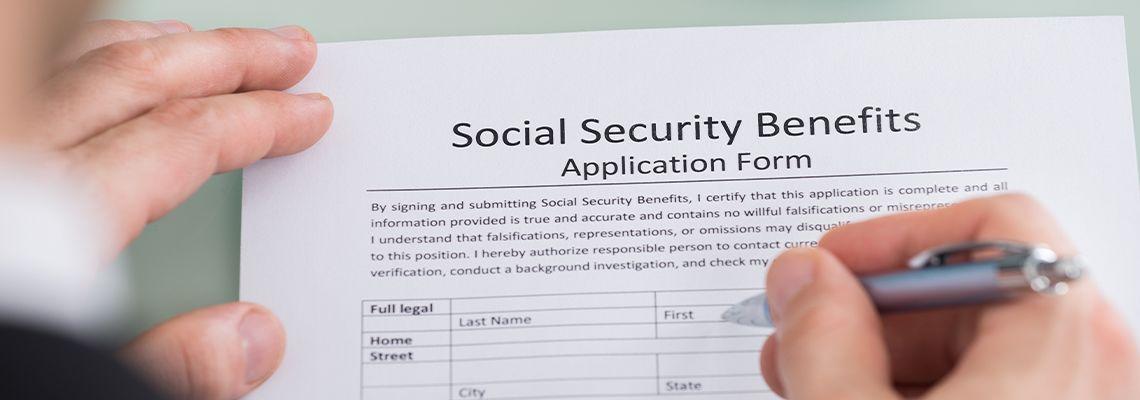
Being denied Social Security Disability Insurance (SSDI) benefits can leave you feeling defeated and overwhelmed. It’s not just about the financial support you’re missing—it’s about the recognition and validation of your struggles and the challenges you face every day. But here’s the thing: a denial isn’t the end of the road. There’s a path forward through the appeals process.
At Gordon, Wolf & Carney, we’ve seen firsthand how challenging the application process for SSDI benefits can be. With over one hundred years of combined experience, our team is here to guide you through the appeals process, helping you turn obstacles into opportunities to fight for the benefits you deserve.
What is an Appeal?
An appeal is more than just a formality—it’s a chance to fight back. If the Social Security Administration (SSA) denies your initial claim, the appeal process allows you to request a reconsideration of your case. This is your opportunity to present additional evidence, clarify any misunderstandings, and address any errors that may have led to your claim’s denial. It’s about making sure your voice is heard and your situation is understood fully.
Our firm handles SSDI appeals claims for temporary or permanent disabilities. With an in-depth understanding of social security law, we take a compassionate approach to each case to prepare a compelling appeal on your behalf. Our goal is to ensure that every aspect of your appeal is handled with precision and care, maximizing your chances of overturning the initial denial and securing the SSDI benefits you need and deserve.

Looking to File an Appeal?
Contact Our TeamWhat is the Appeals Process?
The appeals process is a structured pathway designed to ensure fairness and a thorough review of your SSDI benefits claim. The SSDI appeals process consists of four main steps. If your initial application is denied, you have the right to pursue each of these steps in the following order:
- Reconsideration: If your claim is denied, you can request that your application be reviewed again. A different reviewer from the SSA will examine your claim and any new evidence you provide. This step allows for the correction of possible oversights or the addition of new information that you might have missed in your initial application.
- Hearing by an Administrative Law Judge (ALJ): If reconsideration doesn’t result in approval, you can request a hearing. This will be in front of an administrative law judge who had no part in the original denial or the reconsideration process. At the hearing, you can present new evidence, clarify information, and have witnesses testify on your behalf. The ALJ will then make a decision based on the presented evidence and legal standards.
- Appeals Council Review: If the ALJ’s decision is still not in your favor, the next step is to request a review by the Social Security Appeals Council. However, the Appeals Council may deny your request if it believes the hearing decision was in accordance with Social Security law. If the Appeals Council agrees to review your case, it may either decide your case itself or return it to an ALJ for further review.
- Federal Court Review: If your claim is still denied, you can file a lawsuit in a federal district court. This legal action asks a federal judge to review your case. This step involves complex legal procedures and should be approached with the assistance of an experienced SSDI attorney.
Each step in this process is governed by strict deadlines and procedural rules. Missing a deadline can mean losing your right to appeal. At Gordon, Wolf & Carney, we understand the importance of meeting the regulations of each phase in the appeals process and are committed to providing the necessary guidance and representation.
How to Appeal a Denied SSDI Claim?
When you receive a denial letter, you have a relatively narrow window of time to initiate your appeal. Submitting an appeal requires strict adherence to SSA procedures and deadlines, and involves several crucial steps:
- Review Your Denial Notice: Start by carefully reviewing the denial notice from the SSA. This document will provide the reasons for the denial and a deadline for filing your appeal, which is typically within 60 days of receiving your denial notice.
- Gather Additional Evidence: Collect any new medical records, expert opinions, or personal testimonies that were not included in your initial application. This new evidence can enhance your appeal and showcase the extent of your disability and its impact on your ability to work.
- Submit a Request for Reconsideration: Complete and submit a formal reconsideration request online, by mail, or in person at your local Social Security office. Be sure to include any additional evidence you’ve gathered that supports your claim.
- Prepare for Your Hearing: If your request for reconsideration is denied, it is important to prepare for a hearing. This can include organizing your evidence, planning what you will say, and deciding who will testify.
- Consider Legal Representation: Hiring an experienced SSDI attorney can significantly increase your chances of success. An attorney can help you present your evidence and, if necessary, represent you during the hearing.
- Follow Through With All Deadlines: Meet all the deadlines for submitting documents and evidence throughout the appeals process. Missing a deadline can jeopardize your appeal.
- Stay Organized: Keep copies of all the documents and correspondence related to your SSDI claim and appeal. Having a complete file can help you manage your appeal more efficiently.
By following these steps and seeking professional guidance, you can effectively appeal a denied SSDI claim and increase your chances of receiving the benefits you need. Our seasoned attorneys will dive into the specifics of your case and help you identify the strongest strategies for appeal.
What Sets Our Firm Apart?
With over 100 years of combined legal experience, our team brings unparalleled knowledge and dedication to the table. But it’s not just our experience that sets us apart—it’s our passion. We’re driven by a commitment to justice, taking on even the most challenging cases with vigor and determination. Our personalized approach means we treat your case not just as a file number, but as a life-changing opportunity. We’re not just your attorneys; we’re your advocates, standing with you at every step of the appeals process.

SSDI Appeals FAQs
What Is a Social Security Disability Technical Denial?
Over 27% of initial applications are denied before even being reviewed due to what is called a “technical denial.” A technical denial occurs when an applicant does not meet the general, non-medical requirements for disability benefits. Below are some common reasons for technical denials:
- Not enough work history was shown for proper eligibility.
- The claimant is currently working over the allowed limit.
- The claimant is receiving too much in earned and/or unearned income.
- The claimant has too much in assets.
The other 45% of Americans that are initially denied up to 52% have qualifying cases but the SSA denies them in hope that the claimant will not pursue an appeal saving the federal government money. The entire approval process may be extensive; but statistically a majority of claimants who face initial denials are awarded benefits later in the appeal process. An attorney can be of valuable assistance in successfully navigating this process.
What Are My Options if The SSA Denies Me Disability Benefits?
When an applicant is denied at the initial stage, they have exactly 65 days from the letter of denials date to file a request for reconsideration. If an applicant waits more than 65 days to file an reconsideration, they will have to start the whole process over with a new application. If you are denied at the request for reconsideration level, you have another 65 days to file an appeal. If you need help filing an appeal or starting a new application, contact us on our contact page or text us using the link on this page.
What Are My Chances of Getting Approved at Reconsideration?
Approximately 84% of applicants who file a request for reconsideration are denied. This means around 16% of the applicants who file a request are approved at the reconsideration stage.
What Is the Appeals Council?
The Appeals Council is the last administrative decisional level for SSDI and SSI claims. The council consists of “approximately 71 Administrative Appeals Judges, 46 Appeals Officers, and several hundred support personnel.” The council reviews the Administrative Law Judge (ALJ) decisions and ensures national consistency in decision-making.
Who Determines if I Am Approved for Disability Benefits?
Social Security Disability claims are sent to your state’s local Disability Determination Services Office (if your state has one) to be evaluated by a disability examiner working with a doctor. If the claim is denied and the claimant asks for reconsideration, the claim is sent through the same exact process but with a different examiner and doctor. If denied again and the claimant wants to appeal, the case is sent to an Administrative Law Judge for a final decision.
SSDI Appeals Attorneys in Maryland Serving Clients Nationwide
While being denied SSDI benefits can be disheartening, it’s far from the final word. With Gordon, Wolf & Carney, you’ve got a team ready to fight tirelessly for your rights, guiding you through the appeals process with expertise, compassion, and relentless dedication. Let’s turn that denial into an opportunity. Contact us today, and let’s start this journey together.