Table of Contents
If you have suffered a temporary or permanent disability and are no longer able to work, you may be eligible for Social Security Disability benefits.
Over 2 million people apply for disabled worker benefits each year. Since the Social Security Administration (SSA) receives such a large amount of applications, the SSD process is known for being long, stressful, and quite tedious. These difficulties only amplify when you choose to navigate your claim without the support of an experienced attorney.
Our Social Security lawyers at Gordon, Wolf & Carney offer over 100 years of combined legal experience. We are prepared to meet with you and discuss the details of your case so that, together, we can build a claim that aims for your best result. Reach out to us today to schedule an appointment with our knowledgeable and compassionate team. We have a strong history of success, and we represent clients throughout the state of Maryland and across the country.

Seek the Benefits You Deserve with a disability social security attorney
Let Us HelpWhat Is Social Security Disability?
The SSA offers two benefit programs that provide support to those who meet the requirements for disability.
- Social Security Disability Insurance (SSDI) is an insurance-based benefit program for disabled workers who have contributed to Social Security through payroll taxes and accumulated sufficient work credits during their working years. The length of time needed to qualify for benefits varies. But, in general, you must have worked at least five out of the last 10 years.
- If you have never worked, have not worked in many years, or have not worked long enough to qualify for SSDI, you may still qualify for disability benefits through the Supplemental Security Income (SSI) program. SSI provides monthly benefits for disabled individuals with low income and limited resources.
Many people meet the requirements for both programs. If you do, you could receive both SSDI and SSI benefits at the same time. This is known as ‘concurrent benefits.’
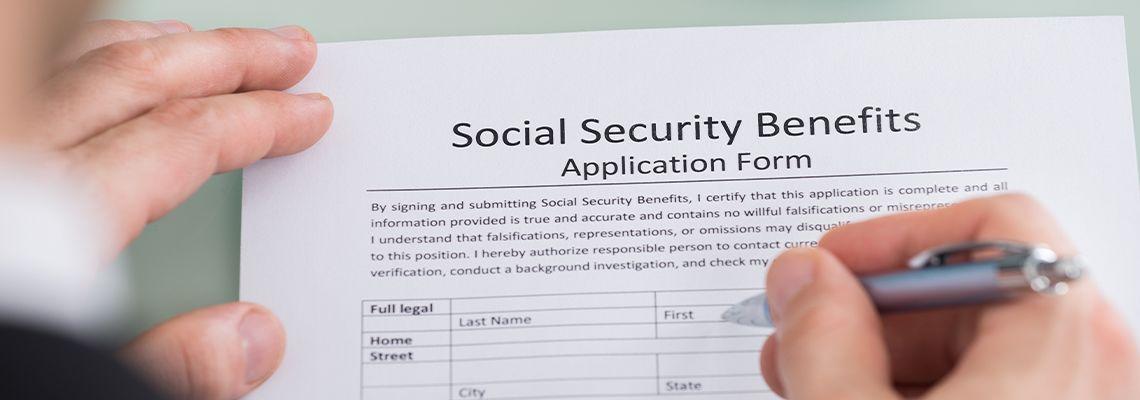
No matter what, the key to receiving the support you need is submitting an application that has minimal chances of getting denied. You can apply online, by phone, or in person. But before you do, it’s crucial to understand the requirements you need to meet and what information you need to complete the application process.
To maximize your chances of securing benefits, we strongly advise you to consult with one of our trusted social security disability lawyers. Our experienced team is here for you when you need it most.
Do You Qualify for Disability Benefits?
Once you partner with our SSD attorneys, the first thing we’ll do is determine your eligibility. You will have to satisfy Social Security’s definition of disability:
- Because of your medical condition, you cannot work or participate in any substantial gainful activity (SGA). SGA refers to significant physical and/or mental tasks.
- Because of your condition, you cannot work as you previously could or adjust to any other work.
- Your condition has lasted or is expected to last for at least one year. Or, it’s expected to result in death.
All three of these statements must be true for you to be considered eligible. To prove that you are unable to work, you must have medical documentation and a consistent history of treatment by medical professionals. These will also help demonstrate that your injury or illness is either permanent, terminal, or expected to last for over a year.
We understand that all this information can be overwhelming, especially when you’re already dealing with a critical injury or illness. Whenever you’re ready, we’re here to answer your questions and guide you forward through your social security disability cases needs.
Does Your Condition Qualify as a Disability?
To determine if you have a qualifying disability, the SSA will consider a variety of factors. A major one being how severe your condition is, as that will clarify whether you can engage in SGA or adapt to another type of work.
The SSA maintains a comprehensive list of impairments that they consider severe enough to prevent a worker from doing SGA. There is a range of medical conditions that qualify for SSD benefits, including but not limited to:
- orthopedic injuries
- inflammatory arthritis
- cancer
- burns
- fibromyalgia
- chronic fatigue
- depression, anxiety, PTSD, and other mental health disorders
- eating disorders
- Autism spectrum disorder
- liver disease
- heart disease
- complications from diabetes
- long covid
If you can’t find your specific condition on the SSA’s list, you may still qualify for benefits. While they evaluate your claim, they will decide whether or not your impairment is as severe as one that is on the list and approve your application accordingly. But if they reject you, know that you have the right to appeal a Social Security denial.
Don’t risk your family’s chances for financial security. With the strict requirements to fulfill, and so many intricacies involved in the process, it’s in your best interest to partner with a diligent attorney who has ample experience with SSD claims. Discover how we can help you during the application or appeals process when you call our disability law firm.
We proudly serve clients across the United States, including but not limited to:
- Maryland
- Oregan
- California
- Nevada
- New York
- New Jersey
- Massachusetts
- Pennsylvania
- Florida

Social Security Disability FAQs
Can Drug Addicts and Alcoholics Get Disability Benefits?
The SSA is prohibited by Congress from giving benefits to individuals who are only having difficulty with drug addiction and/or alcoholism. Congress doesn’t want drug addicts and alcoholics to spend their disability benefits on drugs and alcohol. However, these individuals are just as susceptible to diseases, mental illnesses, and other impairments like any other person and could potentially qualify for disability benefits. If have questions about your eligibility and would like to speak in confidence about your situation, contact us using our contact page or text us using the link on this page.
How Does the Social Security Administration Define Disability?
The Social Security Administration defines a “disability” as the “inability to engage in any substantial gainful activity by reason of any determinable physical or mental impairment which can be expected to result in death or has lasted or can be expected to last for a continuous period of no less than 12 months.”
The SSA will consider you disabled if:
- You cannot do work that you did before
- We decide that you cannot adjust to other work because of your medical condition(s)
- Your disability has lasted or is expected to last for at least one year or to result in death.
Is It Possible to Receive Both SSI and SSDI at The Same Time?
An individual may apply for both Supplemental Security Income (SSI) and Social Security Disability Insurance (SSDI) simultaneously but can only receive one of the benefits at a time. There are some unusual circumstances in which an individual may receive SSI until becoming eligible for SSDI. However, you cannot receive both at the same time.
Is There a List of Illnesses that The SSA Considers Disabling?
The SSA provides two lists: (1) Compassionate Allowance List; and (2) Listing of Impairments. The Compassionate Allowance List is a discreet list of serious illnesses and conditions that automatically qualify as disabling without further evidence. The Listing of Impairments gives an overview of the major types of impairments that can be potentially approved for benefits. The list covers a wide selection of serious conditions but is not exclusive to these impairments. Any illness or condition, if severe enough, can potentially qualify for disability benefits.
Can I Still Qualify for Disability Benefits if My Disability Isn’t Permanent?
The SSA considers an individual disabled under Social Security rules if their “disability has lasted or is expected to last for at least one year or to result in death.” If your disability isn’t permanent but will last more than a year, you still can qualify for disability benefits.
Does the SSA Consider a Mental Illness Disabling?
Yes but it depends if the mental illness is severe enough to qualify. Hundreds of thousands of American beneficiaries receive disability benefits for their mental illnesses. If you would like to know if your mental illness qualifies for disability benefits, feel free to contact us on our contact page or test us using the link on this page for a pre-screening evaluation at no cost.
What Is the Difference Between SSI and SSDI?
The SSA runs two different disability programs, Supplemental Security Insurance (SSI) and Social Security Disability Insurance (SSDI). SSI is a financial need-based program for disabled individuals who haven’t earned enough work credits or haven’t worked at all in the past 10 years. SSDI is a disability program for workers who have earned enough work credits based on taxable employment in the past 10 years. Overall, the main difference resides in how long an individual has worked in the past 10 years.
What Are the Work Requirements Established by The SSA and What Exactly Are Work Credits?
The rule of thumb is that an individual must have worked at least 5 out of the past 10 years to qualify for Social Security Disability Insurance (SSDI). The SSA calculates this by awarding “work credits” when an individual is employed and was paying Social Security taxes. Work credits are based on your income when you were working. Currently in 2019, one work credit is equal to $1,360, which will increase to $1,410 in 2020. An individual can earn no more than 4 work credits per year. To qualify for SSDI, you need to have earned at least 20 work credits in the past 10 years. If you fall below the requirement, you may still qualify for Supplemental Security Income (SSI).
Can I Receive Social Security Disability Benefits and Still Work at The Same Time?
The SSA gives out benefits based on an individual’s inability to work due to an illness or condition. The benefits are provided to compensate for the lack of “significant gainful activity (SGA).” An individual may earn a modest amount per month which will not be considered SGA. That amount currently is in 2019 is $1,220 per month.
I Have Been Taking Care of My Children at Home and Have Not Worked a Job in Several Years. Do I Still Potentially Qualify for Disability Benefits?
Possibly. If you haven’t worked much or not at all during your lifetime, you may qualify for Supplemental Security Insurance (SSI) benefits as long as you don’t exceed the SSA’s limits in income and assets. If you have worked 5 out of the past 10 years or earned enough work credits in the past 10 years by the SSA’s standards, you may qualify for Social Security Disability Insurance (SSDI).
If I Am Receiving Social Security Retirement Benefits, Can I Still Receive Social Security Disability Benefits as Well?
In most instances, you cannot receive Social Security Disability benefits and retirement benefits at the same time. If an individual has been receiving disability benefits and has reached full retirement age, the SSA simply takes your disability benefits and transfers it to retirement benefits. The check will continue to be the same amount as your disability check, which is larger than a normal retirement check.
What is a Residual Functional Capacity (RFC)?
Residual Functional Capacity (RFC) is the maximum work amount an individual is capable of despite their impairment(s). When your case is sent to the Disability Determination Services (DDS), a disability examiner and medical consultant will complete an RFC assessment on your claim. Based on medical record and work history, the consultant will determine your functional limitations, physical capabilities, and job restrictions. You may choose to have your own physician(s) fill out the RFC form if they are willing to do so. This provides an advantage because your physician(s) will be more knowledgeable about your impairments then the DDS consultant who never meets you in person.
Is It Necessary to Hire an Advocate or Lawyer to Represent Me in My Social Security Disability Claim?
Assistance from an advocate or lawyer is not necessary. Individuals can go through the whole process themselves if they desire. However, statistically over 75% of applicants who apply on their own are denied even if their disability claim is valid. This happens due to several reasons including missing or not enough medical documentation; applicant didn’t complete the application correctly, etc. Legal assistance can significantly increase a claimant’s chances of approval. If you would like to learn more about having one of our lawyers assist with your claim, contact us on our contact page or text us using the link on this page.
What Happens if I Go to Jail While Receiving Benefits? Do I Lose My Disability Benefits?
The SSA does not give benefits to an individual who is incarcerated even if they are disabled. If you are receiving benefits and become incarcerated, the SSA will take away your benefits once you have been in jail for more than one month. However, if you’ll be incarcerated for less than a month, the SSA will not take away your benefits and they will continue as normal.
What Happens if I Start to Feel Better While Receiving Disability Benefits and I Decide I Want to Return to Work? Will I Be Allowed to Work Again?
You may return to whenever you like. However, depending on the benefits you are receiving and how much you’ll be earning while working, the SSA will re-evaluate your situation to determine if your impairment is still “disabling” and will change your benefits accordingly. If you are receiving Supplemental Security Insurance (SSI) and begin working, the SSA will reduce your benefits by subtracting part of your income from your payment and terminate them if you go over the SSI income limit.
The SSA has developed several work incentives for both SSI and SSDI to encourage disability beneficiaries to go back to work such as the “Plan to Achieve Self-Support,” “Work Expenses for Blind People,” and the “Trial Work Period.” Some of these programs will allow an individual to exceed the SGA limit for a given period and help beneficiaries find out if they are ready for the work force.
If I Move Into a Different State, What Happens to My Disability Benefits? Will I Have to Re-Apply or Fill out A New Form?
You will not have to re-apply for disability benefits if you move to another state. If you are receiving Social Security Disability Insurance (SSDI) and plan to move into another state, you will need to contact your local office to give them your new address to ensure you keep receiving important information from the SSA and your disability checks (if not direct deposit). If you are receiving Supplemental Security Insurance (SSI), moving into a new state can potentially change the amount of the monthly benefits you receive or could potentially disqualify you from receiving disability benefits depending on the new state’s restrictions.
What Happens if I Go to Jail While Receiving Benefits? Do I Lose My Disability Benefits?
The SSA does not give benefits to an individual who is incarcerated even if they are disabled. If you are receiving benefits and become incarcerated, the SSA will take away your benefits once you have been in jail for more than one month. However, if you’ll be incarcerated for less than a month, the SSA will not take away your benefits and they will continue as normal.
What Are the Fees Associated with Representation?
Attorney’s fees are regulated by the SSA itself and applies to all attorneys or disability advocates. The attorney receives one-fourth of the back due benefits or $6,000 whichever is less, and may require payment of actual out-of-pocket costs, but only if the claimant wins. Should the claimant lose the case, there are no fees involved and the attorney or advocate incurs all costs.
I Have a Child Who Is Disabled. Can My Child Receive Disability Benefits?
Potentially. If your child is under 18 years old, your child may qualify for Supplemental Security Insurance (SSI) benefits as long as you (the parents) don’t exceed the SSA’s limits in income and assets. If your child is over the age of 18, your child may qualify for SSI while completely disregarding the parent’s income and assets. If you have questions about disability benefits for your children, contact us on our contact page or text us using the link on this page.
If I am receiving Social Security retirement benefits, can I still receive SSD benefits?
In most cases, you cannot receive full Social Security Disability (SSD) benefits at the same time as Social Security retirement benefits. If you become disabled before reaching full retirement age, SSD benefits may replace early retirement benefits and are often higher. Once you reach full retirement age, SSD benefits automatically convert to retirement benefits. Because the rules can be complex and depend on your age and work history, speaking with an experienced disability attorney can help you understand your options and ensure you receive the maximum benefits available.
What is the probability of being approved for SSD benefits?
Many initial applications for Social Security Disability benefits are denied, even when applicants have serious and legitimate medical conditions. Approval rates are generally higher at the appeal stages, particularly when strong medical evidence is presented and deadlines are properly met. Working with an attorney can significantly improve your chances of success by ensuring your claim is fully developed and effectively presented to the Social Security Administration.
Do you have to get a lawyer to get Social Security disability?
You are not required to hire an advocate or attorney to apply for Social Security Disability benefits. However, the application and appeals process can be complicated, and many valid claims are denied due to technical errors or missing documentation. An experienced disability lawyer can help gather evidence, meet deadlines, and present your case effectively, which may improve your chances of approval and reduce unnecessary delays.
Maryland Social Security Disability Attorneys Serving Clients Nationwide
Gordon, Wolf & Carney is a boutique law firm that offers big-firm experience. Although we can’t guarantee that you will win your case, we can promise that we will present your case to SSA efficiently and effectively. Let us put our experience to work for you—contact us at our Hunt Valley office to schedule an initial consultation. Our Maryland SSD attorneys proudly serve clients across the country. Unless we win your case, you pay us no fee.